- Call Us: 011 4652 8024
- Email: info@pushpanjalihospitals.com


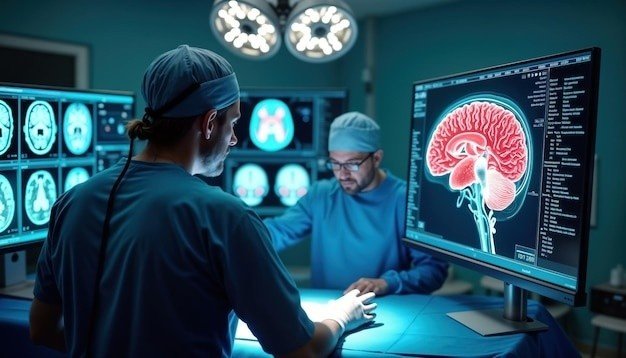
Determining if a patient needs brain surgery requires diagnosis and detailed knowledge of the condition. The doctors will take into account the patient's present condition and the medical condition, history, test reports and the severity of the problem before recommending the appropriate treatment. The condition and other problems will determine whether medication and other treatments would be enough or if brain surgery is the only option. The treatment decision at Pushpanjali Hospital will weigh various factors like the patient's condition, the threat involved, the chances of the success of the surgery, and the safety and recovery of the patient. It is always best to find out the most suitable therapy for the patient.
A lot of brain problems can be managed without an operation. Medicines and regular monitoring usually help. Surgeons will only operate if the problem is severe, getting worse, or is not likely to improve by itself.
Usually, they are brain tumours, bleeding in the head, and blood vessels that may break. Sometimes it can be fluid, a severe head injury, infection, or seizures that carry on despite medicines.
But surgery does not always produce desired results. Doctors take into consideration the tumour size, tumour location, growth rate, and condition of the patient before selecting the best type of treatment.
There are specific procedures a neurosurgeon goes through prior to advising the patient to go ahead with surgery.
1. Take a detailed history and neurological exam. During the examination, the doctor will look for an increase in reflexes, balance problems, strength problems, vision problems, and consciousness. The doctor will also ask you if you have had a persistent headache, seizures, vomiting, vision changes, weakness, confusion, or difficulty speaking.
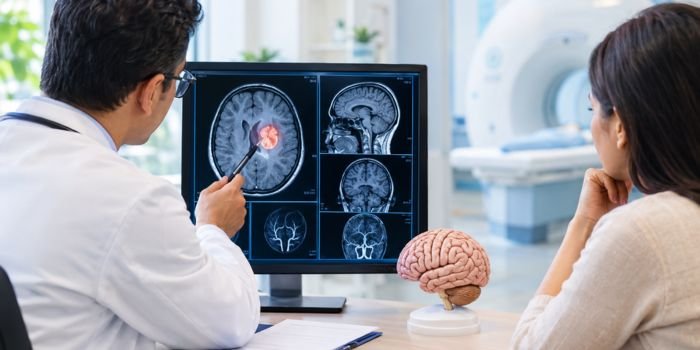
2. Imaging tests. CT scans and MRI scans provide detailed images of the brain and can identify tumours, bleeding, swelling, or other structural abnormalities. Other specialised tests like angiography can be done to detail the blood vessels.
3. Other tests. An EEG (electroencephalogram) to monitor for seizure activity, blood tests, or a biopsy to test for a growth may be required in some cases.
4. Team discussion: Neurosurgeons, neurologists, radiologists, anaesthetists, and critical care specialists discuss complex cases.
5. Risks and benefits. The team will compare the potential benefits of surgery to its risks, considering the patient's age and other health problems as well as daily activities.
A blood clot near or within the brain can form after a head injury or from a burst blood vessel. It may cause the pressure of the brain to rise and be a medical emergency.
The size and position of the clot, symptoms, and effects on adjacent brain tissue are considered in deciding if blood clot removal surgery is required. Intense headache, vomiting, disorientation, drowsiness, weakness, or seizures may suggest a life-threatening situation.
Treatment ranges from clot removal by surgery in severe cases to close observation with repeated scans. The treatment depends on the patient's condition and the type of clot.
Families are interested in what the head looks like after brain surgery and how it feels. The recovery depends on the type of surgery, but there are some basic ideas. There may be swelling or bruising in the forehead, face, or around the head for the first few days, but this slowly decreases. Headache and tiredness are normal, as the brain is healing, but pain control is available.
Your surgical wound will need to be kept clean and dry, and your stitches or staples will be removed after a length of time your surgeon recommends. Rest and resuming activities gradually, until you are allowed to resume any heavy lifting and exercise, will be best for your healing. Follow-up scans will be scheduled so that your team can monitor your progress.
Any patient or carer should contact the doctor immediately if fever, wound drainage, worsening headache, vomiting, repeated seizures, weakness or alteration in level of consciousness is encountered. These symptoms should not be ignored.
The surgeon you select is one of the most significant factors affecting your results. When finding the best neurosurgeon in Delhi, don't consider reputation alone and keep the following in mind:
Qualifications and experience in the condition you have
Clear communication: a good surgeon will explain your diagnosis, treatment options and how risky the surgery is in layman's terms
Willingness to support a second opinion
A care team including neurologists, intensivists, and rehabilitation specialists
Candid advice if surgery is actually required
A good neurosurgeon will not pressure you into making a decision and will patiently explain everything to you.
It requires the environment of the best neurosurgery hospital in Delhi even if a surgeon is skilled. Such Hospitals must provide:
24-hour emergency services for head injury & stroke
Industry-leading CT and MRI services to deliver faster, more accurate diagnoses
A well-equipped neuro-intensive care unit
Modern operating theatres and anaesthesia support
Pushpanjali Hospital believes in diagnosis at the right time, decision at the right time and care at the right time so that every family gets to know every option before making any decision.
If you need brain surgery, it's never down to a scan or a symptom. It's a journey that combines clinical information, scans, the opinion of specialists and an in-depth understanding of a patient's individual circumstances. We're here to explain, whether that's taking swift action to treat a tumour or a bleed and prevent or limit damage to the brain, or offering other, better options for treatment when it's not. We are committed to providing honest advice to every patient in our care.
If you or a loved one suffers from persistent neurological symptoms, take action now. To contact our neurosurgery specialists, schedule an appointment at Pushpanjali Hospital today.