- Call Us: 011 4652 8024
- Email: info@pushpanjalihospitals.com


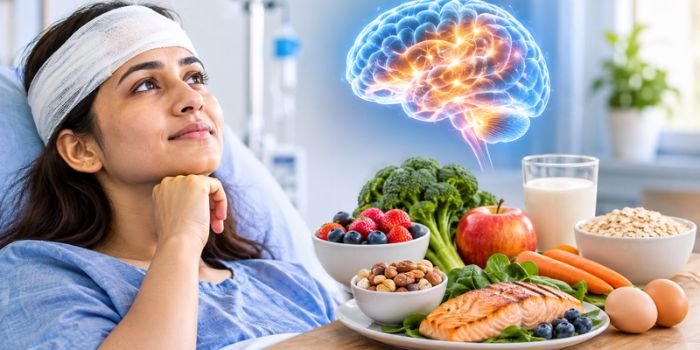
The brain is one of the vital organs of the body involved in various aspects of human life, such as memory, concentration, mobility, communication, etc. Any injury to the brain may cause alterations in the physical capabilities of the person, their behaviour, and thinking abilities. Although medical treatment and rehabilitation are important parts of treatment, adequate nutrition is equally important for the overall body wellness of the patient.
Traumatic brain injury (TBI) is a condition that involves an injury caused by some external force to the brain. Some of the common causes are falls, road accidents, sports injuries, etc. While searching for the best neurosurgeon in Delhi, it is important for patients to know about the significance of proper nutrition in improving their overall health.
A patient’s nutritional requirements may be affected following a brain injury. The patient may develop a loss of appetite, nausea, fatigue, and difficulties with swallowing. Patients may also need more nutrition depending on the degree of injury, physical activity, and their medical conditions.
Some common symptoms of traumatic brain injury are headaches, dizziness, confusion, memory loss, and concentration problems. In some cases, brain injury can cause loss of consciousness and difficulty moving and communicating. Awareness of these brain injury symptoms is important for the family to know.
Apart from falls, road accidents, and sports injuries, assault and penetration of objects into the skull causing injury to the brain are also listed as causes of TBI by MedlinePlus. According to a paper published in the journal Brain & Neurorehabilitation in 2022, about 69 million people are suffering from TBI annually all over the world.
What relevance does it have in terms of eating? It depends on the severity and location of the injury in the brain.
Minor injuries, referred to as concussions, cause headache, nausea, fatigue, dizziness, or inability to concentrate. The CDC suggests that rest will help the brain recover while consumption of alcohol may delay the recovery process.
Symptoms include persistent headaches, frequent vomiting, convulsions, dilated pupils, leaking cerebrospinal fluid through the nose or ears, muscle weakness or numbness, and profound confusion. One must seek immediate medical attention should any of these develop following a brain injury.
Healthcare professionals classify symptoms by severity. However, these signs can vary. According to MedlinePlus, brain injury symptoms might appear several days or weeks after the incident, and one should contact his/her healthcare provider in case the symptoms persist after two to three weeks.
Read this blog also: How Do Doctors Decide Whether Brain Surgery Is Needed?
In some cases, the brain or body enters into an overactive state following a traumatic injury. In the same way, a narrative review published in PubMed Central indicates that the energy requirement might be at 200% of normal. During rehabilitation, calorie requirements might also be 30–60% higher than those of control subjects. Simply put, the recovering brain and body require more fuel. Feeding intolerance has been reported to be associated with delayed gastric emptying in about 45–50% of TBI patients.
Patients suffering from a serious injury usually recover in an ICU hospital in Delhi or another intensive care facility. As stated by NINDS, medical staff monitor patients' blood pressure, brain oxygen, and pressure in the skull. Patients are often fed with the help of a feeding tube or IV as per NHS Scotland. According to one review, this should be done early, preferably within 24 hours.
The brain requires calories; thus, eating is important. According to dieticians, proteins should come from fish, eggs, lean meat, beans or lentils, whole grains, and not refined products, while salt intake should be reduced. One should choose whole foods over sugary snacks. The neurology dietitian from UCLA states that the Mediterranean diet is preferred based on scientific studies, but knowledge of mild cases is lacking.
According to the Current Physical Medicine and Rehabilitation, individuals with a previous history of TBI are at a significantly greater risk for cardiovascular disease. Research into the long-term effects of diet is still rather scarce. Thus, a healthy-heart meal plan seems like a good option.
Tiredness, altered taste sensation, and memory problems can interfere with eating, which makes structuring meals necessary. This is an example:
Breakfast: A vegetable omelet with whole-grain bread, and a banana.
Mid-morning: a few nuts and a glass of water.
Lunch: dal, vegetables and whole wheat bread.
Evening: yogurt with some fruit.
Dinner: fish or paneer with vegetables and rice.
Think about a patient who does not eat breakfast due to fatigue and nausea. By lunchtime, there will be a dip in energy levels and treatment will be difficult. A light snack, like banana and a glass of milk, will be a better choice than an elaborate meal.
Eat meals in smaller portions every three to five hours.
Use your cell phone alarm for meal reminders. It is already reminding you about other things anyway.
Avoid alcohol consumption as per CDC guidelines.
Make sure that food has not expired, as some people have lost their sense of smell.
Consult a physician or dietitian before consuming any supplements.
Nutrition provides energy and aids in recovery. It assists the body in handling the stress of treatment. Nutrition does not repair brain tissue that is damaged or provide treatment other than what is prescribed by a doctor.
As stated on the NINDS website, there is not much that can be done to repair the damage that has been done, and so the doctors stabilize the patient and prevent further damage. This could include monitoring, medications, and surgery. Surgery can be required to relieve haematomas and contusions.
In most cases, brain injury recovery requires neurological rehabilitation. According to a National Academies report, the best results are achieved when rehabilitation starts earlier, but patients who begin rehabilitation later can also achieve good results. NINDS includes nutritionists as part of the rehabilitation team, together with nurses, psychologists and therapists.
Please, never substitute nutritional programs with therapy, medications, or follow-ups. The medical professionals at Pushpanjali Hospital will help you design a plan that corresponds with your physician’s recommendations.
A well-balanced nutritional intake is vital for the overall health and wellness of a person after brain trauma. Proteins, healthy fats, vitamins, minerals, whole grains, fruits and vegetables make sure that the body gets what it needs. But no specific food or supplement can assure complete brain recovery.
Brain injury treatment and rehabilitation remain the key aspects of recovery, during which a customised dietary regimen and medical consultation adjust to the evolving needs of a patient. A family must consult with a healthcare specialist before any dietary or supplement interventions.
In case you or your family experience signs of traumatic brain injuries, immediately contact a healthcare specialist for proper examination. Early diagnostics and treatment are crucial factors. Pushpanjali Hospital can assist with all these stages of treatment. Book an Appointment at Pushpanjali Hospital.